
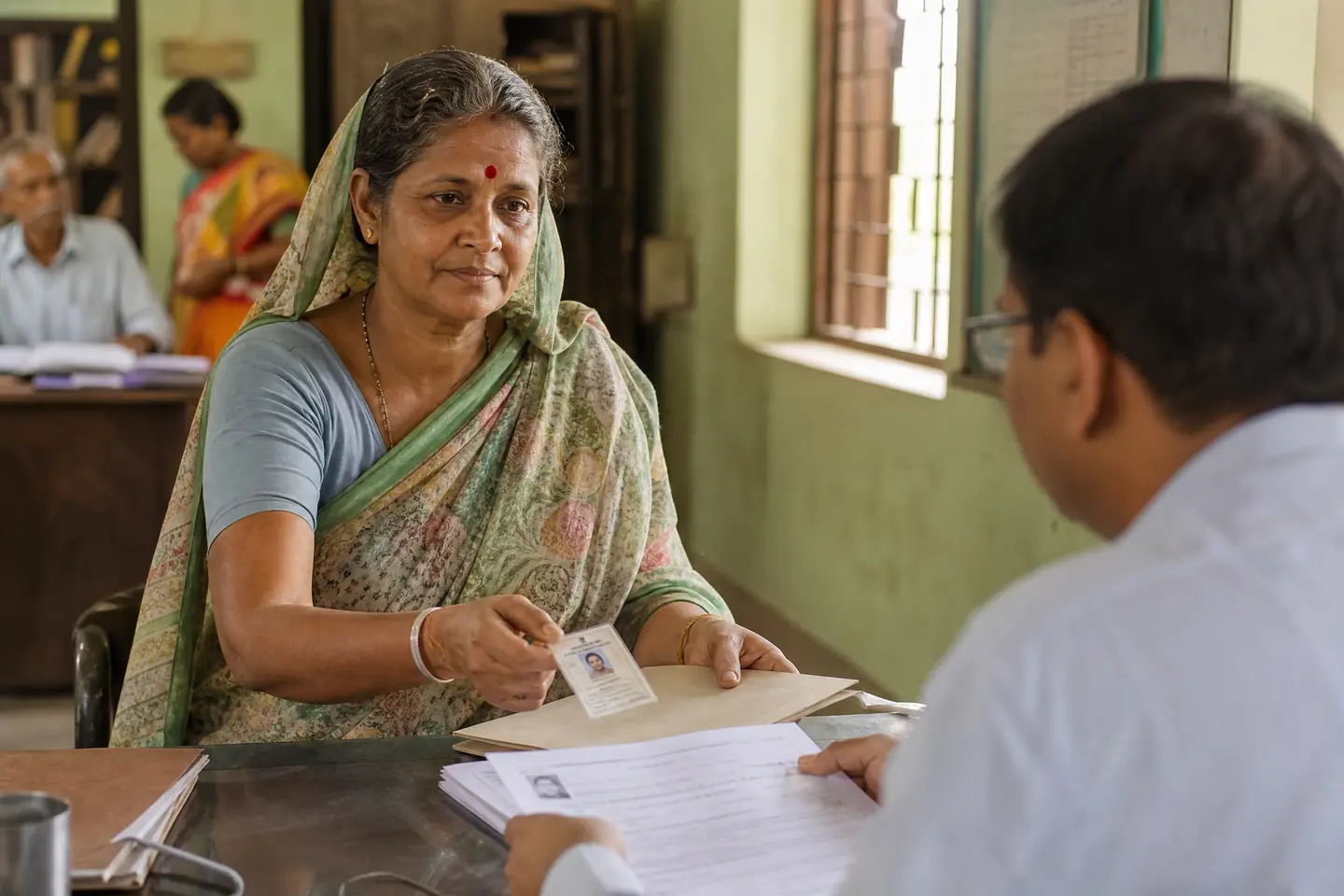
What Is the Annapurna Bhandar Scheme and Who Is It For?
The Annapurna Bhandar Scheme (also referred to as the Annapurna Yojana) is the Government of West Bengal's flagship monthly financial support programme for women. Launched under the new state administration and effective from 3 June 2026, it replaced the earlier Lakshmir Bhandar Scheme and upgraded the monthly benefit to a flat rate of ₹3,000 per month (₹36,000 per year), paid directly into the beneficiary's Aadhaar-linked bank account through Direct Benefit Transfer (DBT). Unlike its predecessor, which paid different amounts based on social category, Annapurna Bhandar treats every eligible woman equally, simplifying both the entitlement and the verification process.
Because the scheme carries a large budget allocation of ₹36,000 crore for 2026-27 and is estimated to cover close to two crore women across the state, the government has applied stricter eligibility filters than before. This means the single most important step you can take is to confirm your eligibility before submitting the 12-page application form. In this guide, our editorial team breaks down every official eligibility rule, explains what can disqualify an otherwise deserving applicant, and gives you a practical self-check list to use before you apply.
The Core Eligibility Rules at a Glance
| Criterion | Official Requirement |
|---|---|
| Gender | Only women (resident adult female) can apply |
| Age limit | 25 to 60 years at the time of application |
| Residency | Permanent resident of West Bengal with valid voter registration |
| Income status | Must not be an income taxpayer |
| Employment | Not a permanent or retired government employee or pensioner |
| Bank account | Single active bank account seeded with Aadhaar and linked to a mobile number |
These rules are drawn from the official scheme announcement and the application form structure available on the government's social security and social registry portals. Always re-confirm with your nearest BDO office or the state helpline 1967 if your situation is unusual.
Age Rule Explained: Why the 25–60 Bracket Matters
The most significant change introduced with Annapurna Bhandar is the revised age bracket of 25 to 60 years. Under the earlier Lakshmir Bhandar scheme, the eligible age was 24 to 60, but the state government tightened the lower boundary by one year. This matters because the application system validates your age automatically against your Aadhaar-linked date of birth — if you are 24 years and 11 months on the day you submit, your form can be rejected before any human officer ever looks at it.
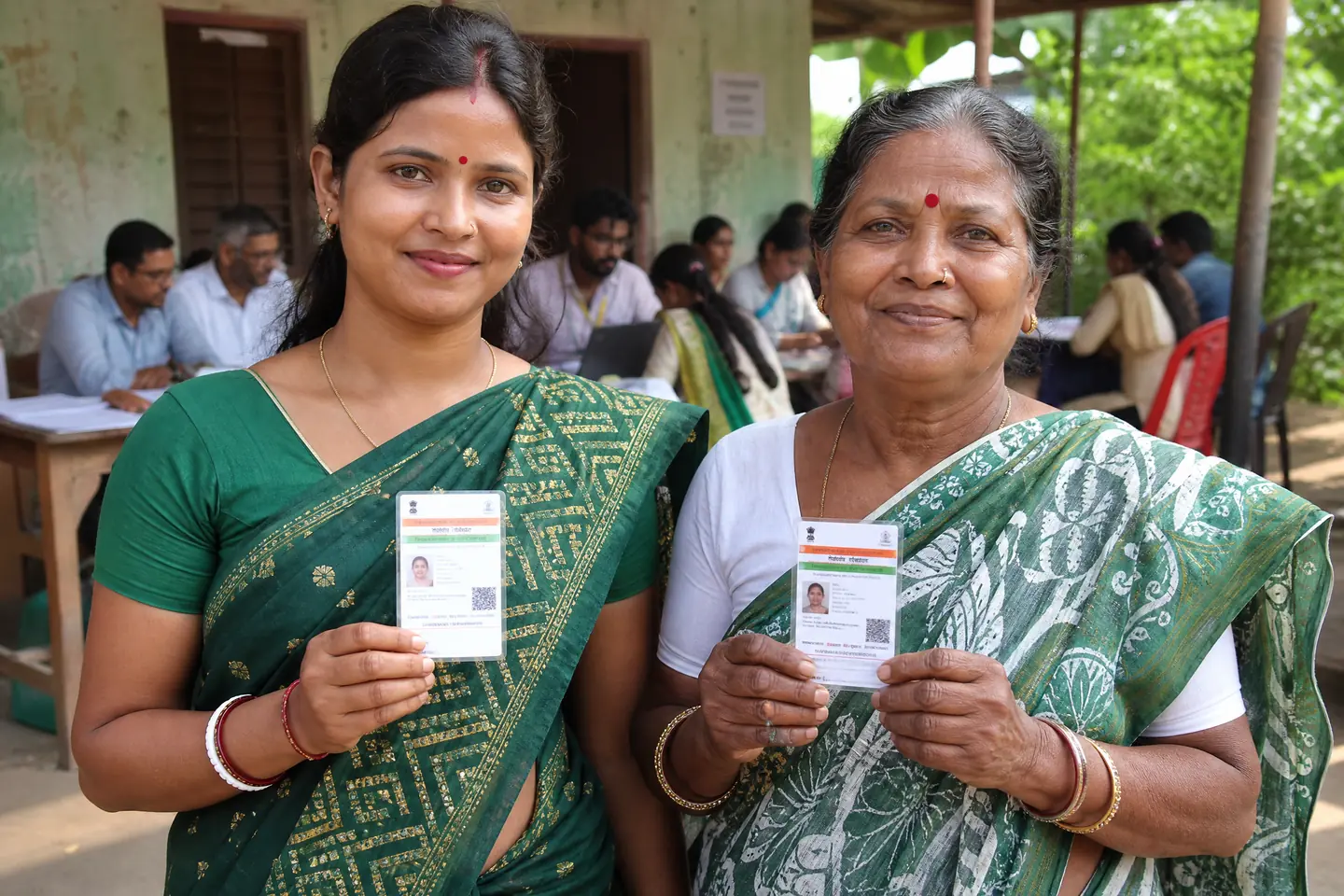
A related practical point: applicants above 60 are not automatically excluded from state support — they fall under different pension schemes such as the old-age pension programme, which has its own eligibility criteria. In other words, the 25–60 bracket is the specific window for Annapurna Bhandar, and the government expects applicants to self-sort into the correct scheme. Women at the boundary should carry their birth certificate or Aadhaar printout to the BDO office, since date-of-birth discrepancies between documents are one of the most common causes of verification delays.
Residency and Voter Roll: The SIR 2026 Check
Permanent residency in West Bengal is not a formality — it is verified against the state's electoral roll through the Special Intensive Revision (SIR) 2026 of voter lists. During this revision, the Election Commission and the state administration removed electors who were found to be deceased, shifted to another state, duplicated, or registered as absentees. The Annapurna Bhandar application cross-references your voter ID with this updated roll, which means a woman whose name was deleted during SIR 2026 cannot be approved even if she holds a valid ration card and Aadhaar.
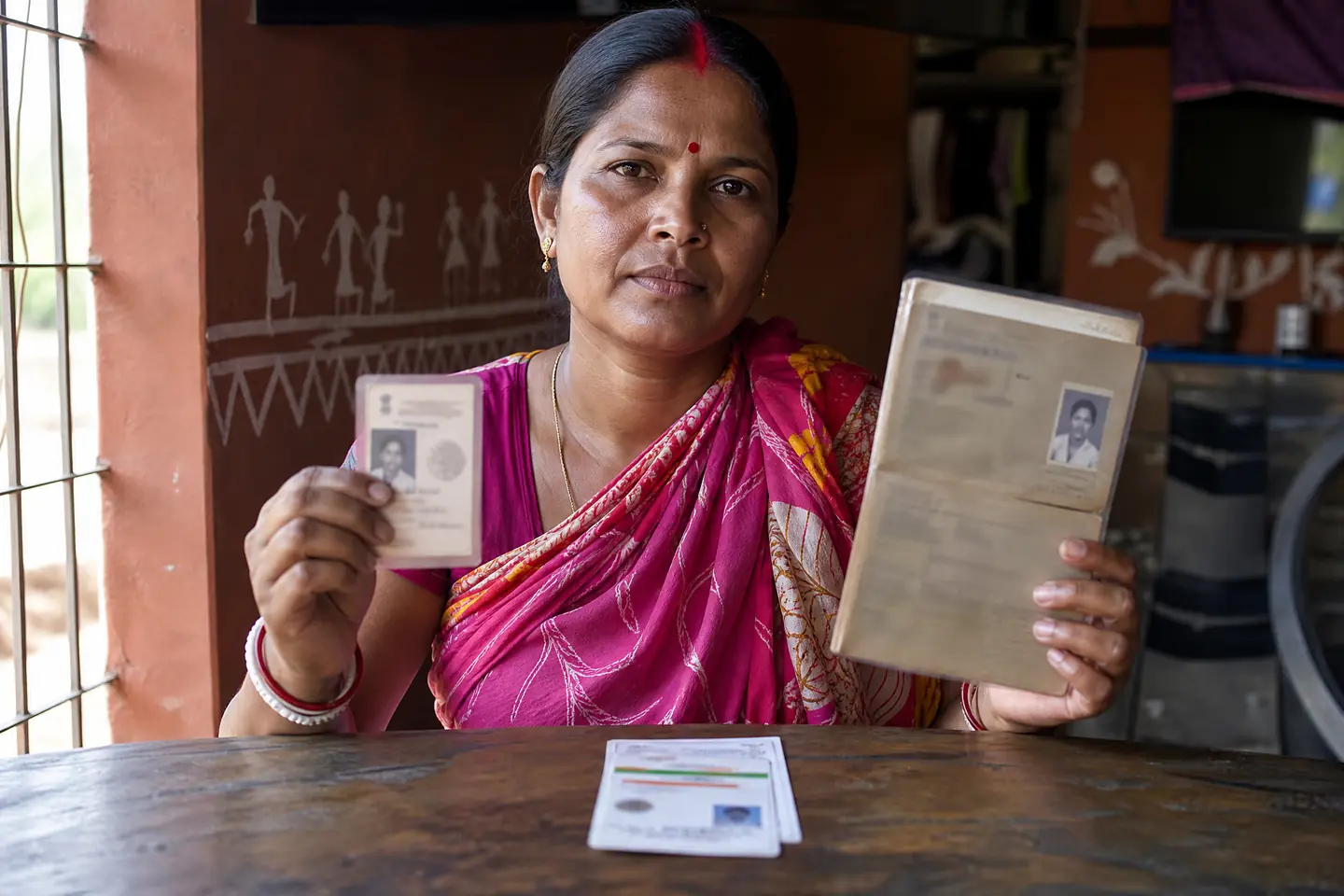
If you have recently shifted into West Bengal from another state, the practical route is to first get your name enrolled in the local voter list and establish permanent residence documentation (ration card, utility bills, or a certificate from the Gram Panchayat). There is no waiting period written into the scheme for new residents, but without an updated voter record, the automated verification will fail. Conversely, if your name was removed from the roll by mistake, the correct channel is the voter-roll correction process through your Electoral Registration Officer — fixing the roll first, then applying for the scheme.
Who Is Excluded: Income, Government Jobs, and Pensions
The scheme is designed for women from non-taxpaying households. If you file an income tax return as an individual, or if your name appears as a taxpayer, you will not qualify — this exclusion is checked through PAN-linked data during verification. Similarly, permanent or retired government employees and pensioners are excluded because they already receive state or central employment benefits, and employees of government-aided schools fall in the same category.
Family income is assessed through the combination of the ration card category, declared assets, and the income sections of the 12-page application form. There is no single published income ceiling figure for the scheme; instead, the application asks detailed questions about household assets and earnings, and verification officers at the Gram Panchayat and Block Development Office level use this to make the final call. Families holding high-value assets — such as multiple vehicles or substantial commercial property — are likely to be flagged during this audit.
Self-Check List Before You Apply
Use this checklist as your pre-application test. If you can answer yes to all six questions, you are very likely eligible for the Annapurna Bhandar Scheme 2026:
- Am I a woman aged 25 to 60 years according to my Aadhaar-linked date of birth?
- Is my name present in the current West Bengal voter roll (post-SIR 2026) at my present address?
- Do I hold a West Bengal ration card showing my household's address?
- Do neither I nor my immediate household file income tax returns?
- Am I not a permanent or retired government employee, pensioner, or government-aided school employee?
- Do I have a single active bank account seeded with my Aadhaar and linked to my mobile number?
If any answer is no or uncertain, resolve that point first — for example, by visiting your bank to complete Aadhaar seeding, or your Gram Panchayat to confirm your voter-roll status — before spending time on the 12-page form. The application window closes on 29 August 2026, so each day of delay matters. Once your details are clean, you can apply online through the official portal or offline through the Duare Sarkar-style Janakalyan Shibir camps and BDO offices. Our step-by-step How to Apply guide walks you through the exact process.
Frequently Asked Questions About Annapurna Bhandar Eligibility
Can I apply if I am exactly 25 or 60 years old?
Yes. The 25–60 age bracket is inclusive at both ends — you must have completed 25 years and not yet exceeded 60 at the time of application. Carry your Aadhaar as proof of date of birth.
I was a Lakshmir Bhandar beneficiary. Do I need to reapply?
Existing Lakshmir Bhandar beneficiaries are being migrated automatically to Annapurna Bhandar with the benefit increasing from ₹1,500–₹1,700 to ₹3,000. However, because eligibility rules have changed, some migrated profiles may be asked to update details or submit the new form during the enrolment window — check your status online to be sure.
Can a woman without a voter ID apply?
A valid voter ID linked to your West Bengal address is effectively mandatory because the application is cross-checked against the SIR 2026 electoral roll. If your name is missing, correct the voter roll first through your Electoral Registration Officer.
Key Takeaways
The Annapurna Bhandar Scheme 2026 is one of the most substantial women's welfare programmes in India, but its stricter eligibility filters mean that careful self-assessment is the best protection against a rejected or delayed application. Confirm your age against your Aadhaar record, verify your name in the updated voter roll, ensure your household is non-taxpaying, and keep your bank account Aadhaar-seeded and active. Apply early — before the 29 August 2026 deadline — and track your application through the official portal so that any verification query can be answered while the enrolment window is still open.